
Powered By



Your immune system affects your entire body — including your hair. If you have an autoimmune condition like Sjögren’s disease, your immune system can sometimes attack healthy parts of your body and may cause changes to your hair.
The most common symptoms of Sjögren’s disease are dry eyes and dry mouth, but it can also affect your hair in several important ways. Getting an accurate diagnosis is the first step to managing your health and your hair.
Some people living with Sjögren’s disease may develop a type of hair loss called frontal fibrosing alopecia (FFA). FFA usually begins gradually, but over time, you might notice a thin band of hair loss along the hairline. FFA can also lead to hair loss in other areas, especially on the eyebrows, which may become patchy or even disappear completely.
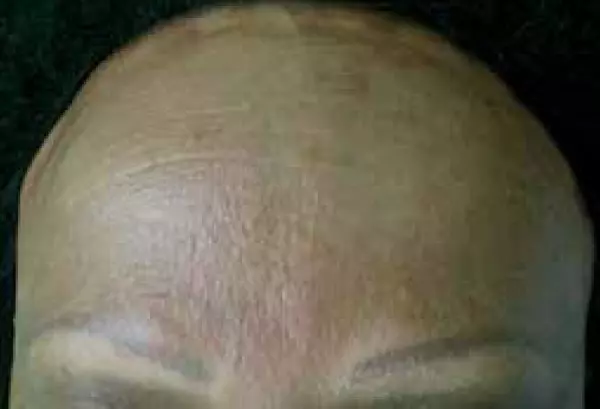
With FFA, the affected hair follicles may eventually scar over, a process called fibrosis. Other autoimmune diseases, like lupus, can also cause a receding hairline. Anyone, regardless of sex or gender, can develop certain patterns of baldness that may become more noticeable when taking specific medications. A receding hairline or balding on top of the head is most common. In women, hair tends to thin at the front and top of the scalp, according to the Arthritis Foundation. Scarring from FFA can make hair loss permanent.
If you notice signs like patchy eyebrows or a receding hairline, it’s important to see a dermatologist as soon as possible. A dermatologist can help determine whether you’re experiencing scarring hair loss. They can also check if your Sjögren’s disease treatment could be affecting your hair and discuss other options that may help. Early treatment can help prevent further hair loss, so talk to your healthcare provider right away if you notice any changes.
People living with Sjögren’s disease may also experience a type of hair loss called telogen effluvium. This happens when stress or a major change in the body causes more hair than usual to enter the shedding phase of the hair cycle. If you notice that your hair is shedding more than before, you might be experiencing telogen effluvium. You may see more hair than usual in your hairbrush or notice that your shower drain is clogging more often.
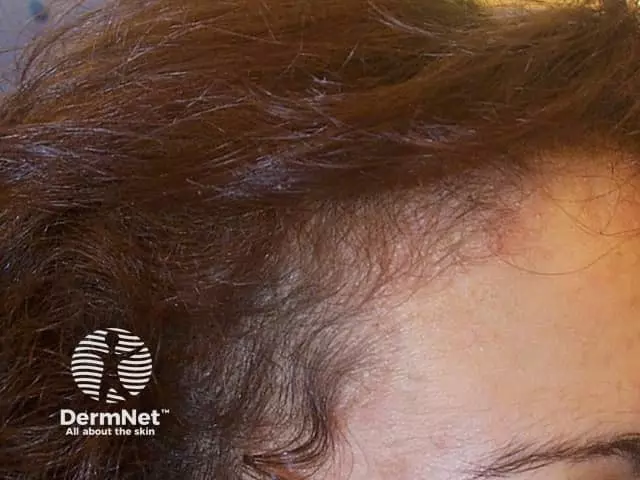
Over time, extra hair shedding can make your hair look and feel thinner. Brushing gently can help prevent additional hair from being pulled out. Since this type of hair thinning is usually temporary, your healthcare provider may suggest waiting to see if the issue gets better on its own. It may take three to six months for your hair to grow back. While you wait, new hairstyles, hair extensions, wigs, or headscarves can help you feel more comfortable.
Most of the time (about 95 percent), telogen effluvium stops after a few months. If excessive hair shedding lasts for more than six months, it’s considered chronic.
Doctors aren’t always sure what causes telogen effluvium. If you’re newly diagnosed with Sjögren’s disease or your condition is especially active, it’s reasonable to suspect your immune system could be playing a role in your hair loss. Other common causes include:
Many over-the-counter products and supplements claim to treat hair loss. However, it’s important to know that supplements are not regulated by the U.S. Food and Drug Administration (FDA) in the same way as prescription or over-the-counter medications. This means the quality and ingredients of supplements can vary from brand to brand.
If you are considering a supplement, look for verification from respected third-party testing agencies, such as ConsumerLab.com, NSF International, UL, or U.S. Pharmacopeia. Always check with your healthcare provider before starting any new supplement, as some can interact with medications or affect your health in unexpected ways.
Most importantly, it’s best to work with your provider to find the root cause of your hair loss before beginning any treatment.
In some cases, topical hair growth serums containing minoxidil (such as Rogaine) can help regrow the hair. If hair loss continues, you might discuss other options — such as injections — with a specialist.
Dry skin is the most common cutaneous (skin-related) symptom of Sjögren’s disease, and it often leads to dry hair as well. When hair is dry, it can look dull or less shiny. It can also become brittle, making it more likely to break.
While hair care alone may not address the underlying cause of dryness, gentle care can help you maintain the look and length of your hair. Treat brittle hair carefully to reduce breakage and keep it healthier for longer.
Following are some tips for treating brittle hair with care:
A day at the pool can be especially harsh on dry hair. Chlorine and other chemicals in pool water can dry your hair out even more. If possible, wear a swim cap when swimming, and rinse your hair with clean water as soon as you get out of the pool. On sunny days, protect your hair and scalp against sun damage by wearing a wide-brimmed hat or covering your head.
If you’re concerned about the effect of Sjögren’s disease on your hair, consider limiting or spacing out chemical treatments such as hair dye, perms, or relaxers, which can contribute to dryness and hair loss. You might also want to look for gentler or more natural alternatives. Talk with your hairstylist or healthcare provider if you have questions about the best way to care for your hair.
Talk to your Sjögren’s provider about any hair-related problems you may be experiencing. They can help you find treatment options that may stabilize your symptoms. They can also explore hair regrowth solutions or other hair health strategies so you can improve your confidence.
On MySjogrensTeam, people share their experiences with Sjögren’s disease, get advice, and find support from others who understand.
What hair changes have you noticed? Let others know in the comments below.
Get updates directly to your inbox.





 Continue with Facebook
Continue with Email
Continue with Facebook
Continue with Email
Continue with Facebook
Continue with Email
Continue with Facebook
Continue with Email
Become a member to get even more





 Join
Join

 Your Privacy Choices

This is a member-feature!
Sign up for free to view article comments.
I made an appointment this past October. but the appointment is for June 15. yup that's 9 more month of not being diagnosed with sjogrens.😟
We'd love to hear from you! Please share your name and email to post and read comments.
You'll also get the latest articles directly to your inbox.